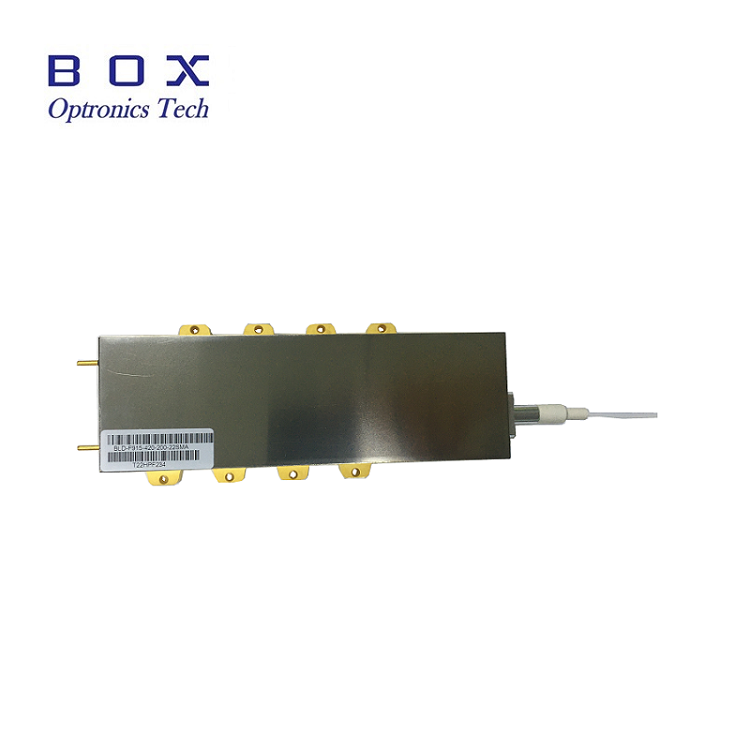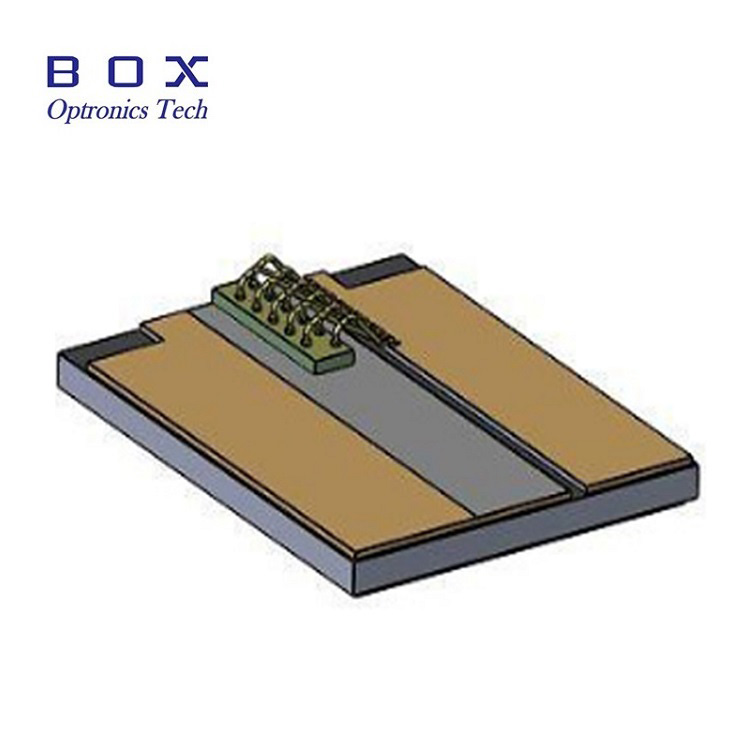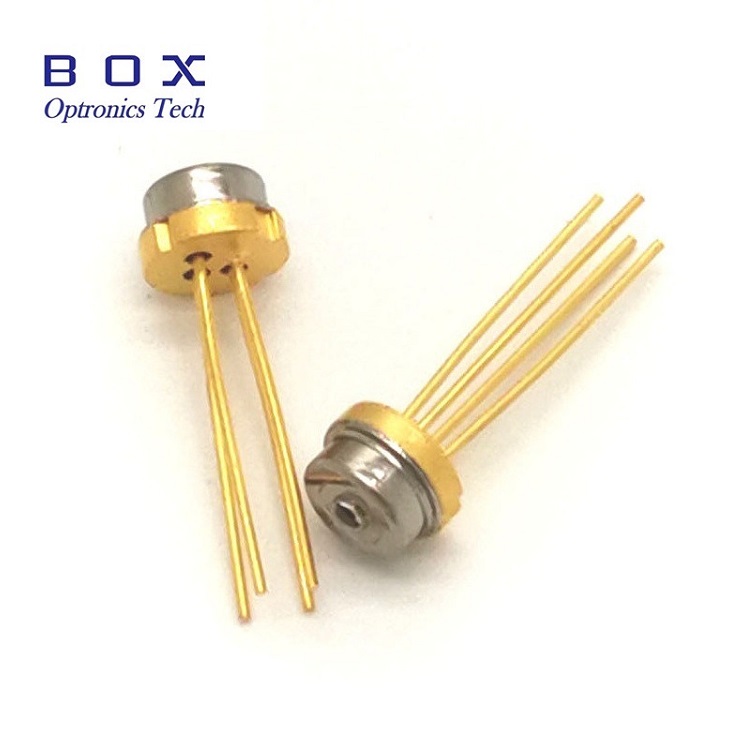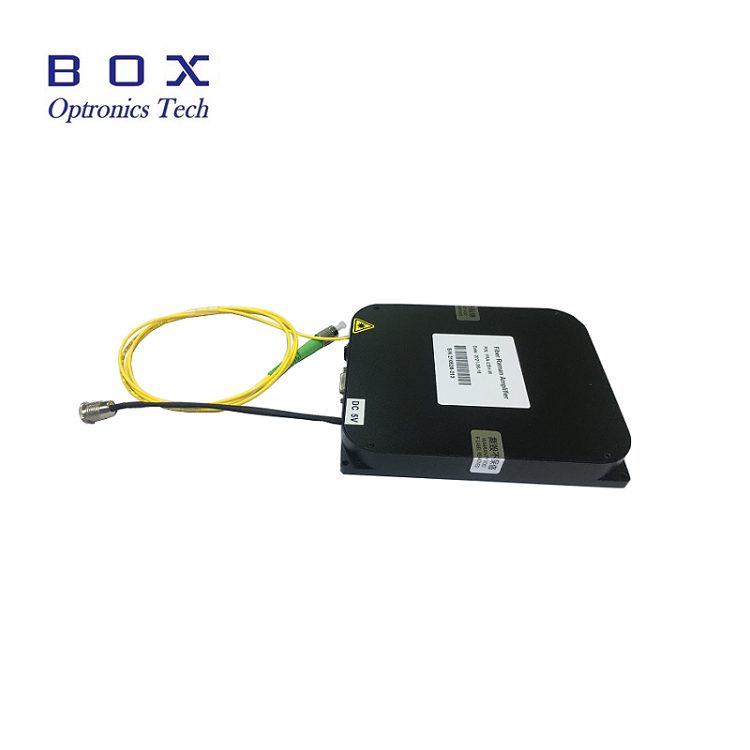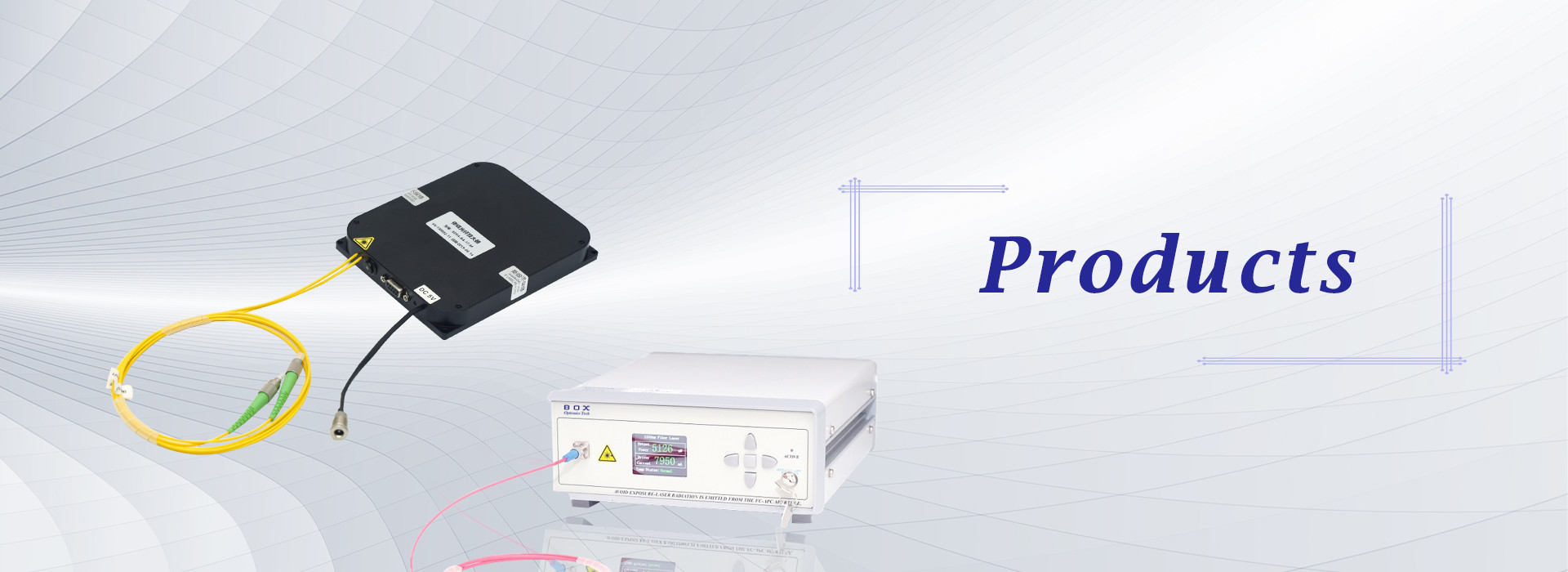
532nm 1064nm Picosecond Pulse Fiber Laser Manufacturers

The shopper satisfaction is our primary focus on. We uphold a consistent level of professionalism, quality, credibility and repair for 532nm 1064nm Picosecond Pulse Fiber Laser, If you pursuit the Hi-quality, Hi-stable, Competitive price parts, company name is your best choice!
532nm 1064nm Picosecond Pulse Fiber Laser, Profession, Devoting are always fundamental to our mission. We now have always been in line with serving customers, creating value management objectives and adhering to the sincerity, dedication, persistent management idea.
Hot Products

  • High Power C-band 5W 37dBm EDFA Fiber Optical Amplifiers

    High Power C-band 5W 37dBm EDFA Fiber Optical Amplifiers

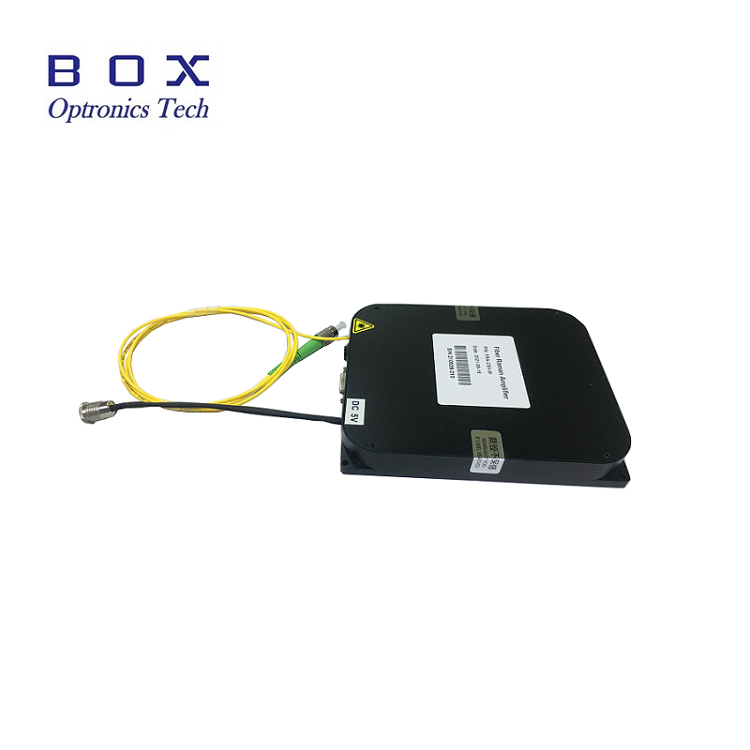
    The High Power C-band 5W 37dBm EDFA Fiber Optical Amplifiers (EYDFA-HP) is based on the double-clad erbium-doped fiber amplifier technology, using a unique optical packaging process, coupled with a reliable high-power laser protection design, to achieve high-power laser output in the 1540~1565nm wavelength range. With high power and low noise, it can be used in fiber optic communication, Lidar, etc.
  • 1310nm 10dBm SOA Semiconductor Optical Amplifier SM Butterfly

    1310nm 10dBm SOA Semiconductor Optical Amplifier SM Butterfly

    The 1310nm 10dBm SOA Semiconductor Optical Amplifier SM Butterfly is designed by using a high quality angled SOA chip and a TEC which can assure a stable amplified output for a large dynamic input signal. The devices are available in a standard, 14-pin butterfly package at the 1310nm and 1550nm bands. The SOA devices have high optical gain, high saturation output power, low polarization dependent loss, low noise figure and broad wavelength range. We have options of optical isolators for input and/or output side as well as output fibers of SM fibers, PM fibers and other special fibers per customer specifications. The products are Telcordia GR-468 qualified, and in compliance with RoHS requirement.
  • 1310nm 1550nm DFB CWDM laser source module

    1310nm 1550nm DFB CWDM laser source module

    The 1310nm 1550nm DFB CWDM laser source module uses DFB semiconductor lasers, single-mode fiber output, adjustable power, professionally designed high-precision, high-stability current drive control board to ensure laser safety and stability, low noise operation, low cost, high cost performance, small size Compact and easy to integrate, it is widely used in scientific research, communication, medical treatment, spectral analysis, bioengineering and other fields.
  • 808nm 30W Laser Diode 200um Fiber Coupled Module

    808nm 30W Laser Diode 200um Fiber Coupled Module

    The 808nm 30W Laser Diode 200um Fiber Coupled Module has the following key features:These lasers have high coupling efficiency, high brightness, sealed housing, standard fiber coupling for 200um 0.22NA.
  • 450nm 3W High Power Fiber Coupled Laser SMA905

    450nm 3W High Power Fiber Coupled Laser SMA905

    The 450nm 3W High Power Fiber Coupled Laser SMA905 is widely used in Lab Research Testing, laser pumping, medical, printing, material processing.
  • 1550nm Superluminescent Diodes SLED

    1550nm Superluminescent Diodes SLED

    1550nm Superluminescent Diodes SLED are optical sources with a rather wide optical bandwidth. In that they differ from both lasers, that have a very narrow spectrum, and white light sources, that exhibit a much larger spectral width. This characteristic mainly reflects itself in a low temporal coherence of the source (which is the limited capability of the emitted light wave to maintain the phase over time). SLED may however exhibit a high degree of spatial coherence, meaning that they can be efficiently coupled into single-mode optical fibers. Some applications take advantage of the low temporal coherence of SLED sources to achieve high spatial resolution in imaging techniques. The coherence length is a quantity frequently used to characterize the temporal coherence of the light source. It is related to the path difference between the two arms of an optical interferometer over which the light wave is still capable to generate an interference pattern.

Send Inquiry